Is Rust worth playing? My review
Rust rewards skill, punishes solo players and will get you killed on the beach with nothing but a rock. Why people keep coming back, and what PC you need: the good and bad of its system requirements.
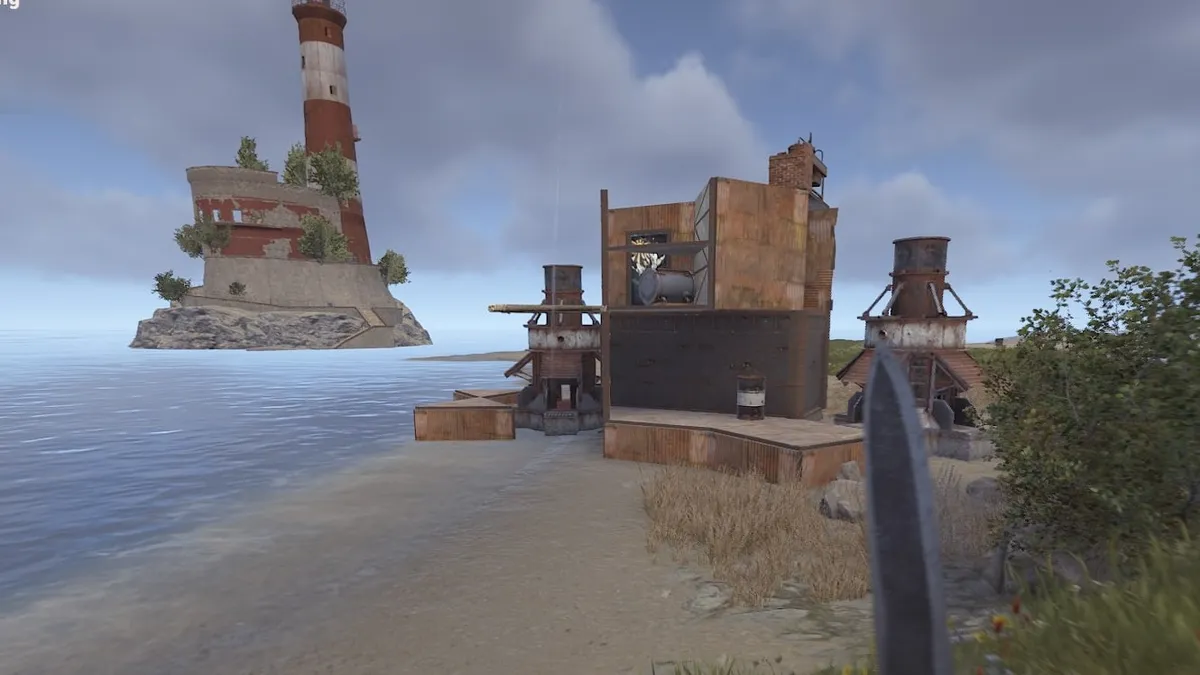
Yes, if you’re ready to lose a lot. Rust depends heavily on skill, and the first hours look the same for nearly everyone: wake up on a beach, run a hundred meters, die, wake up again. If you want a relaxed evening of shooting, this game will only wear you out.
There are no rounds here where everybody gets a gun and starts even. Rust is a whole world with its own rules and laws. Well, to be exact, there are no laws. Facepunch writes the rules, players on a server live under them, and from there they build the game on terms of their own: some make deals with the neighbors, others spend a week saving explosives to blow up those neighbors’ house.
Skill in Rust goes well beyond aim. You need to know what to craft first, where to put your base, and how to lay it out so a raid costs more than the loot inside. That knowledge takes hundreds of hours to build, and it survives every wipe. On the first Thursday of the month servers reset, bases vanish and on paper everyone is naked again. By evening, though, the veteran is carrying a gun while the newcomer is still working out where cloth comes from.
You’ll get killed even with just a rock
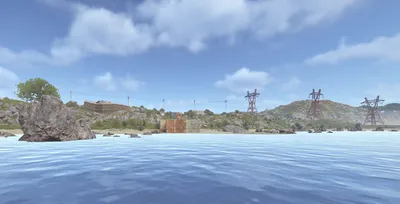
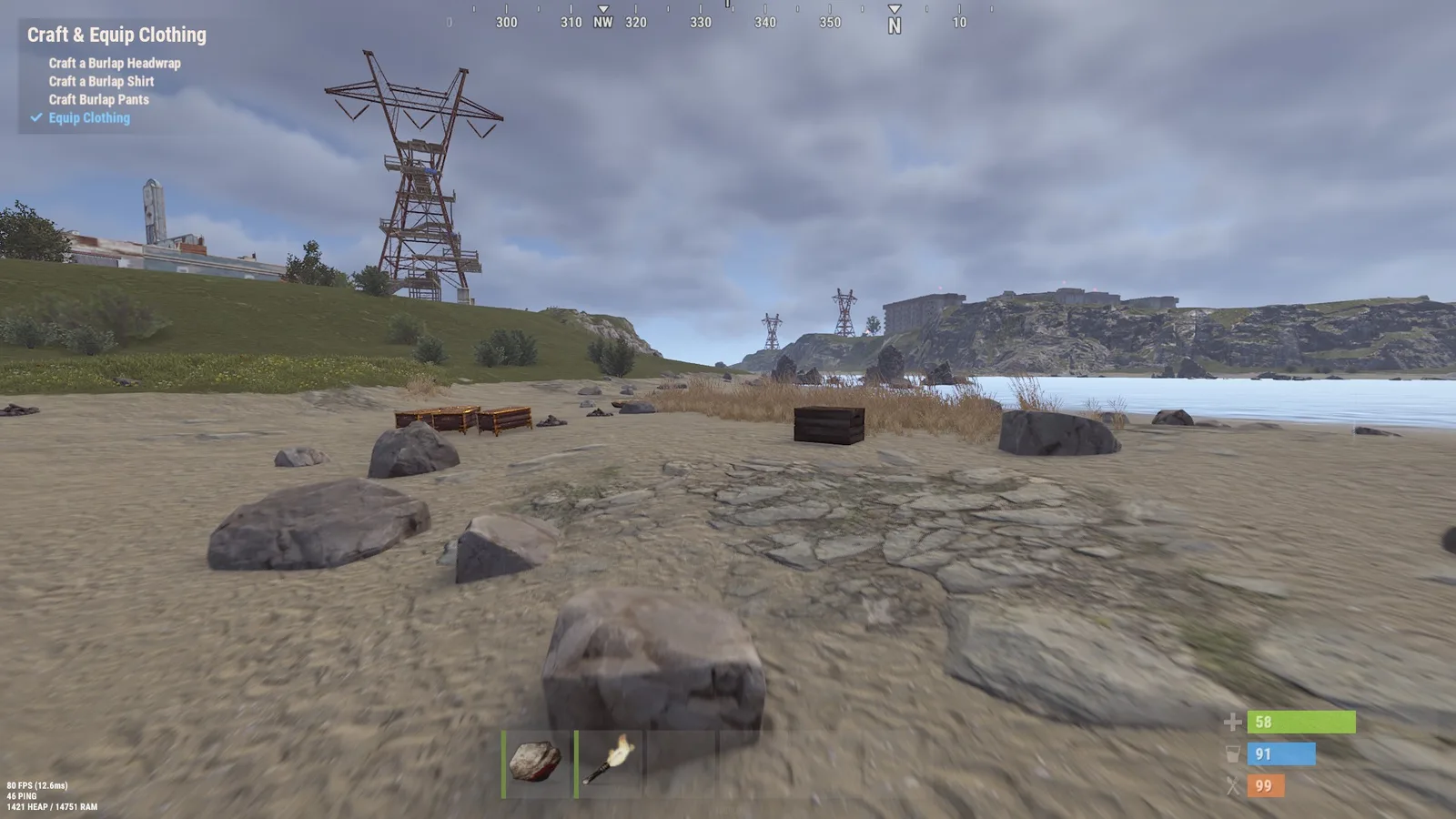
In my experience, nobody in Rust will take pity on you. You’re running along the beach holding a rock, there’s nothing to take from you, and you get killed anyway. For no loot at all, just because.
Sure, there are exceptions. Now and then a stranger walks past or even shares some food, but I wouldn’t plan around it.
So you can’t trust anyone. That polite neighbor you gave your door code to will clean out your house overnight, down to the last arrow, and there’s nobody to complain to, because they didn’t break a single rule. Survival here is harsh, and the only person you can count on is yourself.
Playing solo is brutal
Especially when everyone else plays as a duo or a clan. You’ll lose most fights: even if you kill one of them, a teammate will trade you before you can reload or heal. Good aim carries you for a while, then you meet four people at once and it stops mattering.
The base math is no better. A clan farms with several pairs of hands and somebody is almost always online. You log off to sleep, and your house sits unguarded until morning.
So if you’ve decided to play Rust, find a friend or a clan. Even one partner changes a lot, since someone can watch your back and pick you up when you’re wounded. No partner? Look at community servers with a team size limit (solo, solo/duo), where at least you won’t be fighting ten people alone.
Why you keep coming back
For all its flaws, for some reason you want to log in again and again. I’m not the only one. As I write this on November 5, 2026, about 76,000 people are playing, and the game first appeared in Early Access back in December 2013. Critics gave it just 69 on Metacritic, yet players aren’t leaving.
I think it comes down to the fact that you can lose everything here. That’s why winning a fight with a full inventory hits your nerves harder than any frag in a shooter where you’ll respawn with the same rifle a minute later.
Wipes feed the same idea. Have a terrible month and the next one starts from zero with different neighbors, while old grudges stay behind on the old map. Facepunch hasn’t abandoned the game either: updates arrive every month, right on that first Thursday.
Proximity voice chat deserves its own mention. Half of the best Rust stories begin with a conversation through a door: people haggle with you, lie to you, beg you not to shoot. There are paid skins and packs, but on vanilla servers money can’t buy guns or resources. The game itself costs $39.99 and drops by half during sales, and we’ve covered when to expect a discount separately.
One more plus won’t appear on the Steam page. You can find good friends here, people you’ll play with and stay friends with for years. That sounds odd after I told you to trust no one, but that’s exactly the point: someone who didn’t betray you for loot has passed a test no other game can set up.
Rust system requirements
Here’s what the game’s Steam page lists as of November 2026:
| Minimum | Recommended | |
|---|---|---|
| OS | Windows 11 (64-bit) | Windows 11 (64-bit) |
| CPU | Intel Core i5-6600 / AMD Ryzen 5 1400 | Intel Core i7-6700K / AMD Ryzen 7 3700X |
| RAM | 12 GB | 16 GB |
| GPU | GeForce GTX 1060 / Radeon RX 470 / Arc A580 | GeForce RTX 3060 / Radeon RX 6600 XT / Arc B580 |
| DirectX | 11 | 12 |
| Storage | 45 GB | 45 GB |
| SSD | highly recommended | required |
The good
Rust goes easy on your graphics card: the GTX 1060 came out in 2016 and still meets the minimum. It needs 45 GB of disk space, about half of CS2’s 85 GB. There’s a Mac version too, starting from an M1 chip and macOS Monterey.
The bad
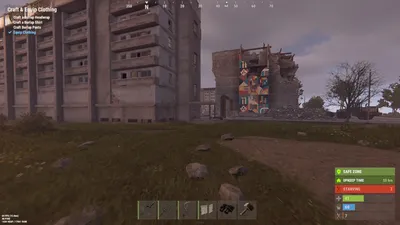
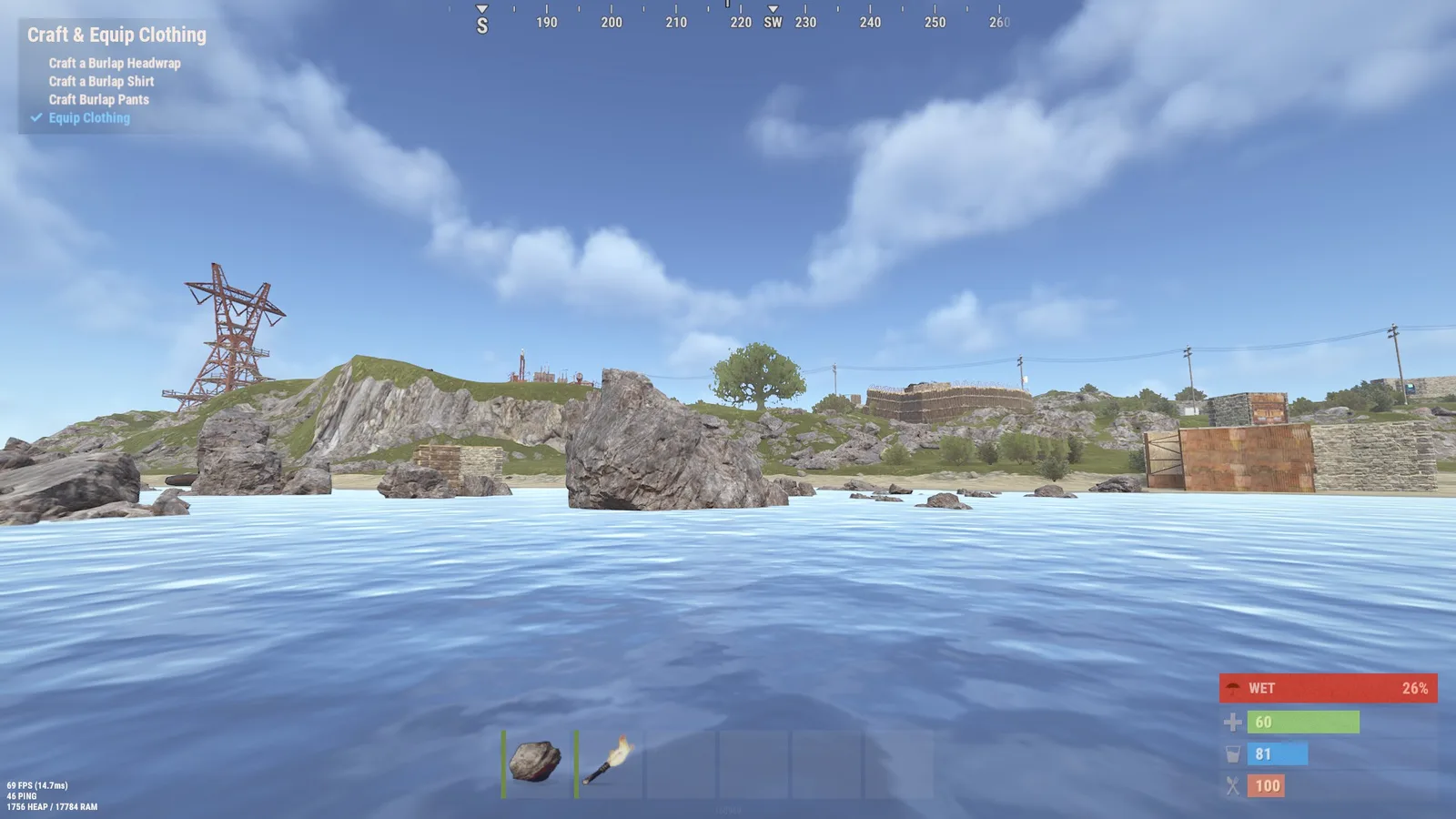
Memory is the main problem. CS2 asks for 8 GB, Rust asks for 12 at minimum, and in practice it goes higher. In our screenshots you can see the built-in counter in the bottom left corner: right after joining a server it showed 14,700 MB, 15 minutes later 16,700 MB, and after an hour and forty minutes 17,900 MB. That was at 1080p with FPS sitting around 66–87. The client doesn’t explain exactly what this number includes, so it may cover more than the game itself, but the growth over a session is plain to see. I’d call the recommended 16 GB tight and feel better with 32 GB.
Windows 11 is listed in both columns, so officially nobody is expecting you on Windows 10. SSDs get strict treatment too: the minimum spec warns of longer load times without one, and the recommended spec requires it. On wipe day a slow load means minutes in which others are grabbing the resources around you.
Linux and Steam Deck owners have it worst. Facepunch supports neither Linux nor Proton, citing cheat protection, and has no plans to change that.
Not sure your PC can handle it? Steam refunds the game if you bought it less than 14 days ago and played under two hours. That won’t get you through a wipe, but it’s plenty to check your FPS on a live server.